Can You Get Into Cosmetology School Easily? What Are the Requirements?

If you’ve been scrolling through forums or staring at an application wondering if you can actually make this career happen – especially if you’re worried about having a GED, not finishing high school yet, or being under 18 – I want to give you some peace of mind. You aren’t just looking for a “you can do it” pep talk. You need to know the actual rules so you don’t spend months planning for something that isn’t a fit.

I’ve seen a lot of people get stuck before they even start because the information out there is so fragmented. I’m going to lay this out as someone who lives and breathes the beauty industry: simple, direct, and focused on what really happens behind the scenes.

Why the Answers Always Seem Different: The Three Pillars of Enrollment

One of the biggest reasons people get confused about the requirements is that there isn’t just one “boss” making the rules. There are actually three different sets of criteria you have to satisfy, and they don’t always overlap perfectly.

The School’s Own Rules

This is what the specific institution needs to let you through the door. While most want a high school diploma or GED, some have specific pathways for students who are still working on their secondary education.

State Licensing Standards

This is the big one. To actually work as a professional, you eventually have to answer to the state. Since our school is in Arkansas, we follow the guidelines set by the Arkansas Department of Health – Cosmetology Section. They decide who is eligible to sit for the exam after they finish their hours.

Federal Financial Aid (FAFSA)

If you are planning on using federal grants or loans, the government has its own strict rules. If you are asking whether you can go to cosmetology school without a GED, the answer might be “yes” for the school, but “no” for the federal funding unless you are in a very specific Eligible Career Pathway Program.

Once you understand which “pillar” you’re looking at, the process becomes much less overwhelming.

The Education Question: GEDs and Diplomas

This is easily the most common concern I hear. Let’s look at the reality of your education status and how it affects your journey.

Using a GED

If you’ve been wondering if you can go with a GED, the answer is almost always a resounding yes. In the eyes of most admissions offices and state boards, a GED is a perfectly valid high school credential. It’s a very common way students start their journey, and it won’t hold you back from getting your license or applying for financial aid.

Applying Without a Diploma or GED

This is where you need to be a bit more strategic. If you’re looking for a program but don’t have a high school diploma yet, you’ll find that some schools offer conditional enrollment. This means you might be able to start your beauty training while you are simultaneously finishing your GED.

However, I always tell people to be careful here. Just because you can start classes doesn’t mean you can graduate or get licensed without that credential. Most state rules eventually demand proof of secondary education before you can take your exams.

Starting Young: The 16 and 17-Year-Old Path

I see a lot of high school students who are ready to jump-start their careers early. If you’re curious about the age requirements, the typical minimum age to begin training is 16.

If you are under 18, you’ll just need a parent or guardian to sign off on your paperwork. There are even some high schools with cosmetology programs or partnerships with local community colleges. Starting as a teen is a great way to get a head start, but you have to stay disciplined – balancing high school graduation with the strict clock-hour requirements of beauty school is a challenge, but I’ve seen many students crush it.

Is Everyone Able to Get In? The Real “Gatekeepers”

Is it hard to get into a beauty program? In terms of academic competition – like a four-year university – no, it usually isn’t. You don’t need a 4.0 GPA or a perfect SAT score.

But that doesn’t mean everyone gets accepted immediately. When I see delays or rejections, it’s usually because of these three things:

  • Paperwork Hurdles: Missing IDs, unverified transcripts, or issues with foreign credential evaluations.
  • Funding Gaps: If the tuition and kit costs aren’t figured out, or if FAFSA is stuck in processing, you can’t start the clock.
  • Class Capacity: Every school has a limit on how many students they can safely teach at once. If a class is full, you might have to wait for the next start date.

So, while it isn’t “hard” in the traditional sense, you do have to be organized.

How to Prepare and Actually Enroll

If you’re ready to stop searching and start doing, here is how I recommend you handle the enrollment process to avoid getting misled.

First, check the licensing rules for your specific state. Second, when you call a school to ask how to sign up, don’t just ask if you *can* join. Ask this specific question:

“Based on my current education status, do I meet the requirements for state licensing and federal financial aid?”

If a school is transparent, they will give you a straight answer and point you toward their student catalog or written policies.

Who Beauty Schools Are Really For

I want to be real with you: beauty school isn’t just for people who were born with a round brush in their hand. It’s for people who have grit.

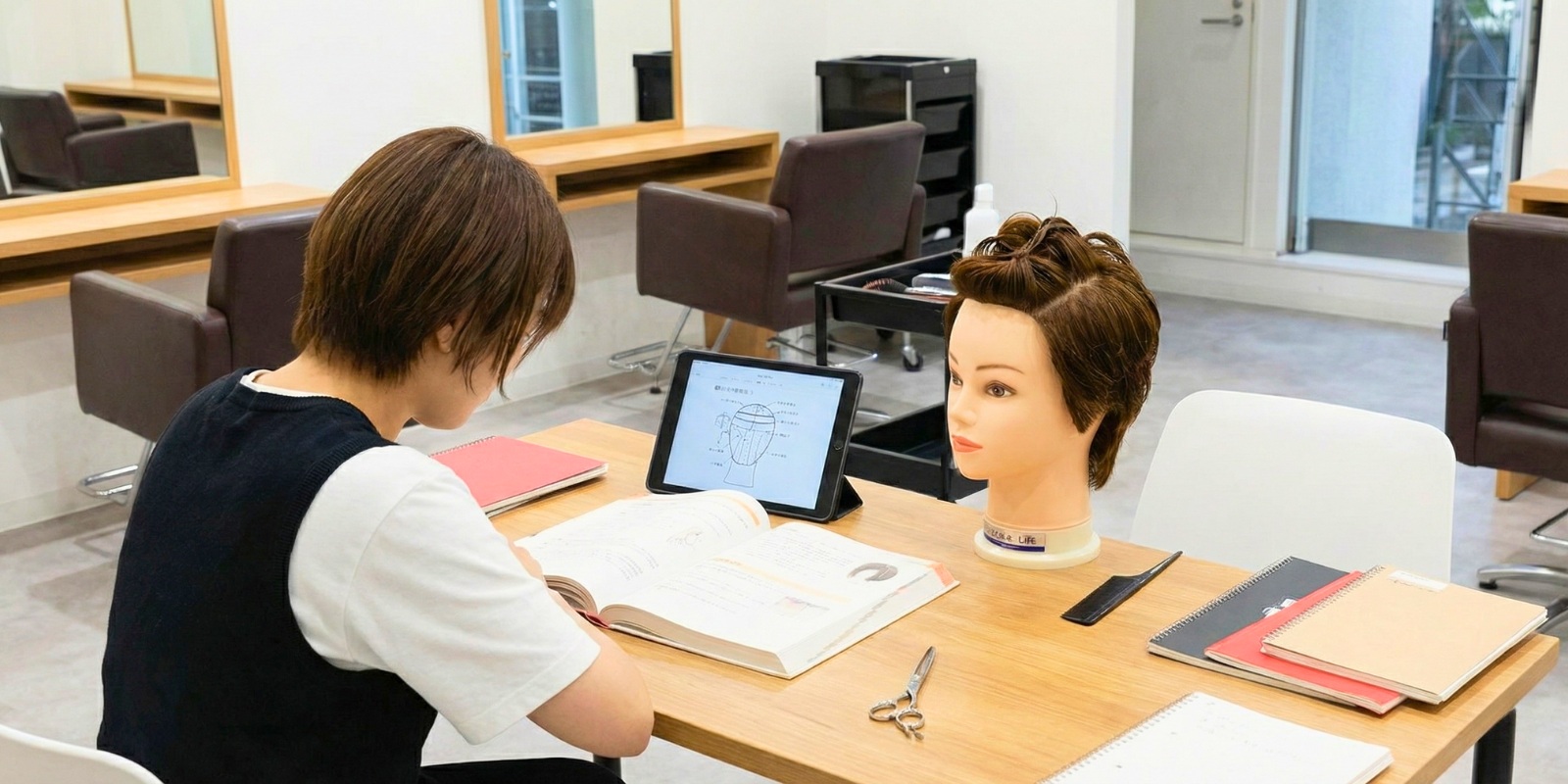
I’ve noticed that the students who succeed aren’t always the “most talented” on day one. They are the ones who show up. In this industry, your qualifications are built through repetition. You have to be okay with making mistakes on mannequins, taking feedback from instructors, and standing on your feet for long hours. If you’re willing to put in the work, you belong here.

Start Your Journey at AI Beauty School (BeautyNWA)

Once you realize that you actually can get started, the next step is finding a place that actually prepares you for the “real world” of the salon or spa.

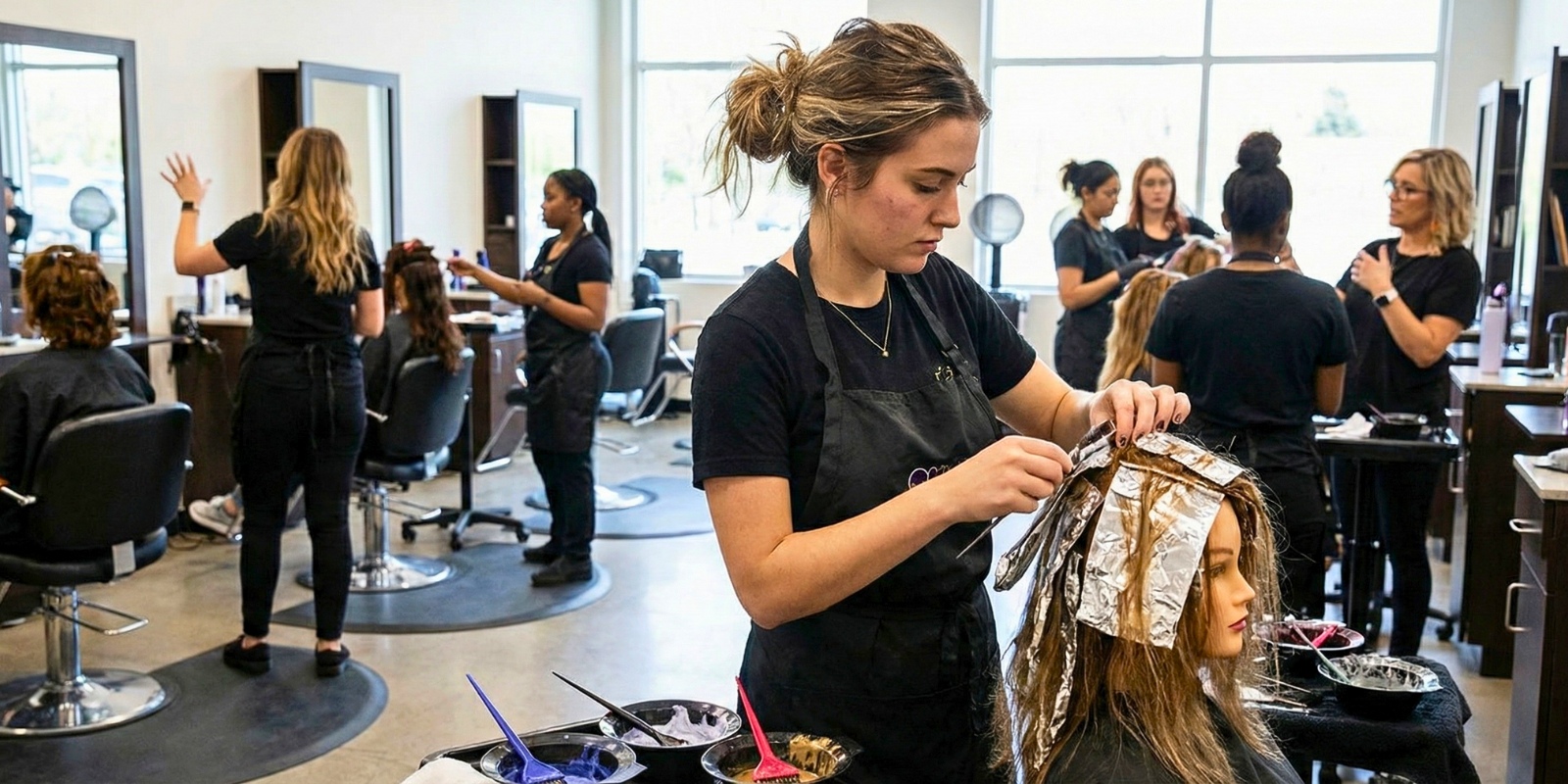
At AI Beauty School (BeautyNWA), we are all about helping you transition from a student to a licensed professional. We focus on hands-on training and making sure you understand the business side of things, not just the technical skills.

Programs That Align With Your Goals

We’ve designed our courses to match the most in-demand career paths:

  • Cosmetologist
  • Esthetician
  • Nail Technician
  • Instructor Training

Ready to Take the Next Step?

If you’re wondering if this is the right path for you, I’d love for you to come see the space for yourself. You can find our contact form right below this article – fill it out, and I’ll have someone from our team reach out to chat about your goals and help you figure out the best schedule for your life.

Can You Practice Cosmetology Without a License? A Realistic Guide for Beginners

If you have ever spent hours scrolling through forums trying to figure out how to work in beauty without a license, I know exactly how you feel. It is not that you are trying to be reckless – you are just trying to be practical.

Maybe you need to start making money right now, or maybe the cost of school feels like a massive hurdle. Or, if you are like a lot of people I talk to, you are just tired of getting conflicting answers. One person says you can do makeup for weddings without a permit, and the next person says you will get fined thousands of dollars.

I want to clear the air. I will break down what a “license” actually means in the beauty world, where the legal boundaries are, and which cosmetology jobs without license requirements are actually safe for you to pursue today.

License vs Certification vs Business Permit: Knowing the Difference

This is the number one thing that trips people up. If you do not get this right, you might end up paying for a “certificate” that does not actually let you work legally.

The Professional License

Think of this as your legal “hall pass” from the state. States require this because beauty services involve chemicals, sharp tools, and sanitation risks. If you are doing something that could potentially cause an infection or a chemical burn, the state wants to make sure you have been trained to prevent that.

The Certification

A certificate just proves you took a specific class – like a weekend course on a new lash brand. While I think certifications are great for building your skills, they do not replace a state license. Having a certificate but no license is like having a trophy for a race you were never legally allowed to enter.

The Business License

This is just for the “business” side of things – taxes, zoning, and permission to sell products. Even if you find a job that does not require a personal license, you will likely still need a business license if you plan on taking money from clients or selling retail.

A simple way to remember it: license = permission to perform, certification = proof of skill, and business license = permission to operate.

How the State Decides What is “Illegal”

Most regulations are based on risk. If a service stays on the very surface of the skin or hair and does not use heavy chemicals, it is often less restricted.

You generally need a license if you are:

  • Cutting or trimming hair
  • Using professional chemicals (like hair dye, relaxers, or high-level acid peels)
  • Using tools that could break the skin or cause infection
  • Anything involving sanitation-heavy procedures

This is why advice online is so messy. Two people can swear opposite things and still both be correct – they are just in different states.

Beauty Careers You Can Start Without a License

If your main goal is to get your foot in the door and start earning, there are actually quite a few paths that do not require you to perform regulated services.

The “Non-Service” Side of Beauty

These roles are incredible for networking. I always tell people that the best way to learn how a salon runs is to work in one, even if you are not behind the chair yet.

  • Beauty retail and high-end product sales
  • Salon front desk or booking coordinator (this is a goldmine for learning business management)
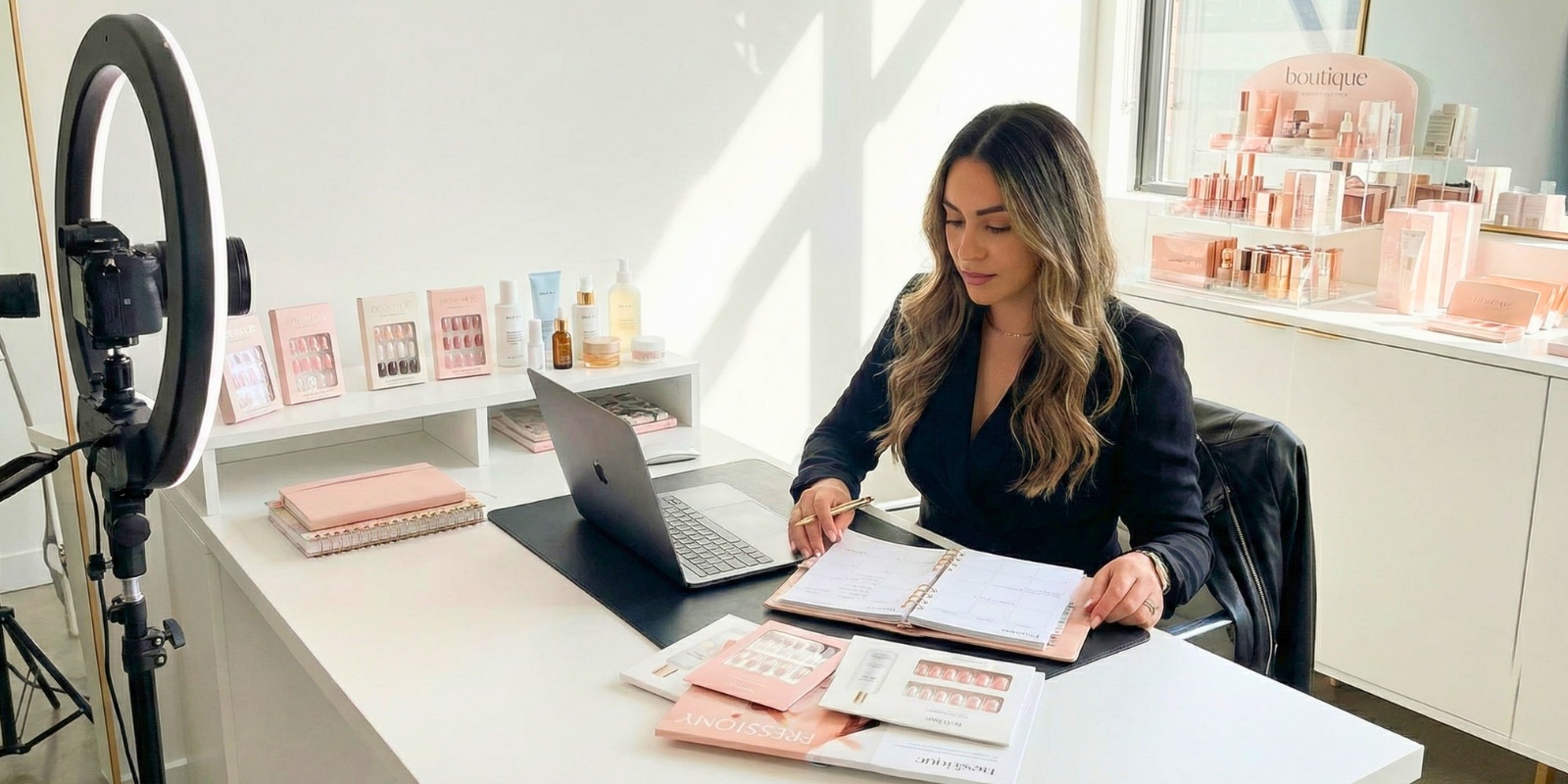
  • Social media content creation (doing reviews, tutorials, or “get ready with me” videos)
  • Beauty writing for blogs or newsletters
  • Product consulting (helping people pick out a skincare routine without actually applying the products to them)

Starting a Product-Based Business

If you want to be your own boss right away, focusing on products is usually much safer than services:

  • Creating your own line of press-on nails
  • Selling beauty accessories or tools
  • Curating and reselling professional products (as long as you have the right permits)
  • Digital products like “how-to” guides or beauty planners

Can You Own a Salon Without Being Licensed?

The answer is usually yes. In many places, you can be the owner and the “brains” of the operation without having a license yourself.

The key is how you structure it:

  • Licensed professionals must perform the actual hair, skin, and nail work
  • The facility may need an establishment or salon license
  • Local permits (business, zoning, health/safety requirements) still apply
  • You are responsible for keeping the business compliant, even if you are not the one doing services

So yes, ownership is a real path – just not a “do whatever you want” path.

Navigating Specific Services: Where is the Line?

When people ask me about “cosmetology without a license,” they are usually thinking of one specific skill. Here is how the legal side usually plays out:

Lashes and Nails

I see people asking “can I be a lash tech without a cosmetology license” or “can I do lashes without a cosmetology license” every single week. Because lash extensions involve glue very close to the eye, most states regulate this strictly. It is the same for nails. If you are wondering “can I be a nail tech without a cosmetology license” or “can I do nails without a cosmetology license,” the answer is almost always that you need a license to work on a paying client.

Makeup Artistry

This is the “grayest” area. Can you do makeup without a cosmetology license? In many places, you can do “dry” makeup (no skincare treatments) for weddings or photoshoots. But the second you start doing facials or brow waxing, you have crossed into licensed territory.

Hair and Barbering

If you are asking “can you be a barber without a cosmetology license,” the answer is usually no if you are cutting or shaving. Generally, doing hair without a cosmetology license is a quick way to get a “cease and desist” letter if you are performing regulated services.

Microblading

Can you do microblading without a cosmetology license? This is often handled by health departments rather than beauty boards because it involves needles. You usually need a specialized “Body Art” or “Permanent Makeup” license instead.

How to Stay on the Safe Side

If you want to build a long-term career without the fear of being shut down, follow these steps:

1) Be specific
“Doing hair” is too broad. Ask the board about “braiding” or “styling.”

2) Contact the right authority
In Arkansas, for example, you would look at the Arkansas Department of Health – Cosmetology Section.

3) Build your brand legally
Start by selling products or creating content. This builds a client base that will be ready for you the moment you finish school.

Understanding Your Cosmetology License Scope – Can You Do Nails, Lashes, and Skin?

If you have ever looked at your license and wondered exactly where the legal boundaries are, you are definitely not alone. I get asked this all the time: maybe you are about to graduate or you have been behind the chair for years, and you are starting to think about focusing purely on lash extensions, doing nails full-time, or even transitioning into a barbershop. The confusion usually stems from a simple reality: cosmetology is a broad field, but the rules are not the same in every state. It does not matter what your beauty school instructor told you five years ago or what a local salon owner says they allow. What actually matters is the legal scope of practice defined by your state board.

Your License Is Not A “One-Size-Fits-All” Pass

In the United States, every state has the authority to define what a cosmetologist is legally allowed to do. For instance, New York explains very clearly that a cosmetology license covers everything from aesthetics and nail specialty to waxing. It even includes barber-style services like trimming beards or shaving hair.

In contrast, Texas provides specific scope-of-practice guides that show exactly what a Cosmetology Operator can do. They are very strict about tools; they allow safety razors but often draw the line at straight razors for anyone without a barber license.

So, when people ask me, “Can you work as an esthetician with a cosmetology license?” I tell them the same thing: You are legally permitted to do what your specific state says your license covers – no more and no less.

The Quick Check I Use To Avoid Legal Trouble

Before I ever suggest someone adds a new service to their menu, I recommend a quick five-minute reality check. This is how I stay safe and protect my career:

  1. Identify your official state regulator (like the Arkansas Department of Health for those of us in the Ozarks).
  2. Look for sections labeled “scope of practice,” “industry bulletins,” or “laws and rules.”
  3. Use the “find” tool on your computer to look for specific words: eyelash extensions, facials, chemical peels, or straight razors.
  4. If you are still in a gray area, send a quick email to the board. Keep their written response in your files.

Texas makes this very easy by listing guides by license type. Meanwhile, California uses “Industry Bulletins” to clarify rules on things like microneedling or new devices. Doing this one step can save you from a massive fine or a suspended license.

Can A Cosmetologist Work As An Esthetician?

In most states, the answer is a qualified yes. Most cosmetology curricula include basic skincare. This means you can usually perform the standard services found in a salon or a basic spa. As an example, New York and Florida both include skin care services and waxing directly under the umbrella of a cosmetology license.

The line between basic and advanced skin services

This is where things get tricky. You might be wondering how to become an esthetician with a cosmetology license, but you really need to look at the specific service. Basic services generally include classic facials, cleansing, and superficial exfoliation. Advanced services are where boards get strict.

Illinois regulators have a very clear statement that prohibits both cosmetologists and estheticians from performing services that affect the “living layers” of the skin. Similarly, California is very direct about things like microneedling, stating it is outside the scope of practice for all of their licensees.

Another thing to remember is the title. Even if you can do the work, some states won’t let you use the official title. The National Coalition of Estheticians Association points out that in some jurisdictions, you can practice skin care but cannot legally call yourself an esthetician without that specific license.

Doing Nails With A Cosmetology License

This is usually the most straightforward “yes” in the industry. Almost every state includes manicuring and pedicuring in the cosmetology curriculum. For example, the Texas scope of practice includes manicures, pedicures, and the application of false nails for their operators. Florida follows the same logic.

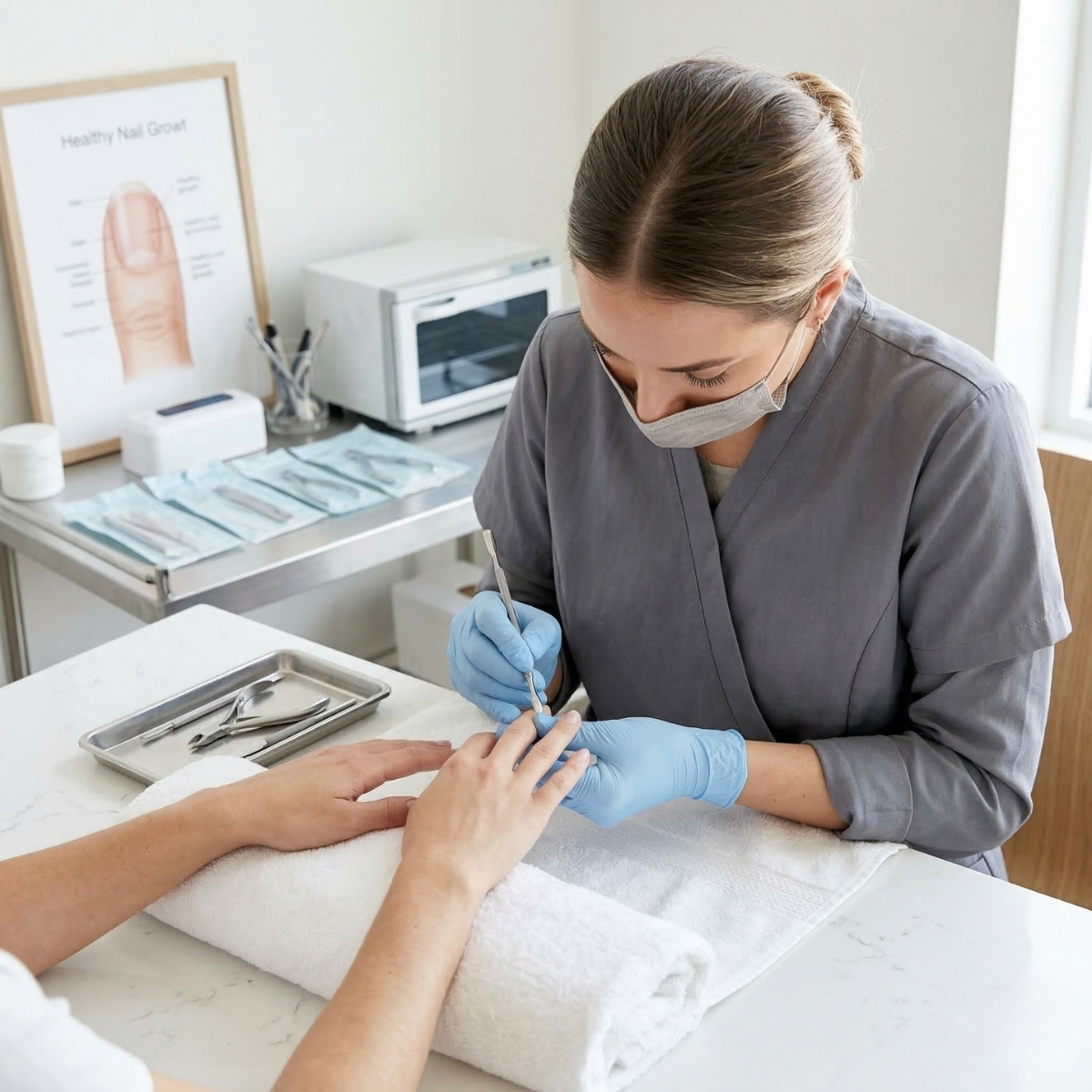
I always tell students that while they can do nails with a cosmetology license, they should focus heavily on sanitation. Being legally allowed to do a gel set is one thing; being trained in proper ventilation and hygiene is what actually protects your license and keeps you employable.

Can You Do Lashes With A Cosmetology License?

Lashes are a major area of confusion because students often mistake a “certificate” for a “license.” You might take a weekend course and get a certificate, but that does not give you legal permission to charge for the service if it isn’t in your license scope. In California, the board clarifies that lash extensions are only within the scope of licensed cosmetologists and estheticians. In Texas, they have a specific eyelash-extension specialty license, but a Cosmetology Operator is also permitted to perform those same services.

The reality of liability

When I look at professional forums like SalonGeek, I see tons of professionals worried about insurance. Even if a service is legal, you have to ensure your insurance policy actually covers it. One thread discusses how moving from simple lifts to full extensions can sometimes change your coverage requirements. It’s always better to be over-insured than under-protected.

Transitioning To The Barbershop

Can a cosmetologist work in a barber shop? Usually, yes, but there is one major wall: the straight razor. In Texas, cosmetologists can do most barbering tasks but are strictly prohibited from using or even advertising straight-razor shaving for money. Interestingly, New York is more lenient, including shaving and beard trimming in their cosmetology definition.

If you are in a state like Texas, there is an interesting “crossover” dynamic where a Class A Barber can do most cosmetology tasks but is actually prohibited from doing lash extensions. If you are wondering how can a cosmetologist become a barber, it usually involves a cosmetology to barber crossover program to pick up those specific razor skills.

A Quick Warning About Working Without A License

I know it is tempting to start taking clients “on the side” before you finish school, especially if you want to start earning right away. But I have to be honest: the risk is huge. State boards often specify that you “cannot perform or advertise” services for compensation without a license. In Texas, they emphasize that advertising services you aren’t licensed for is a violation. It is always better to wait, get your license, and build a career on a solid legal foundation.

Take Your Next Step At Career Academy Of Hair Design

If you are reading this and trying to figure out which path gives you the most freedom, choosing the right school is the first real step. At Career Academy of Hair Design, we focus on making sure you are “Salon Ready” from day one. We offer specialized training across Northwest Arkansas and the River Valley in several key areas:

The most flexible path: Cosmetology

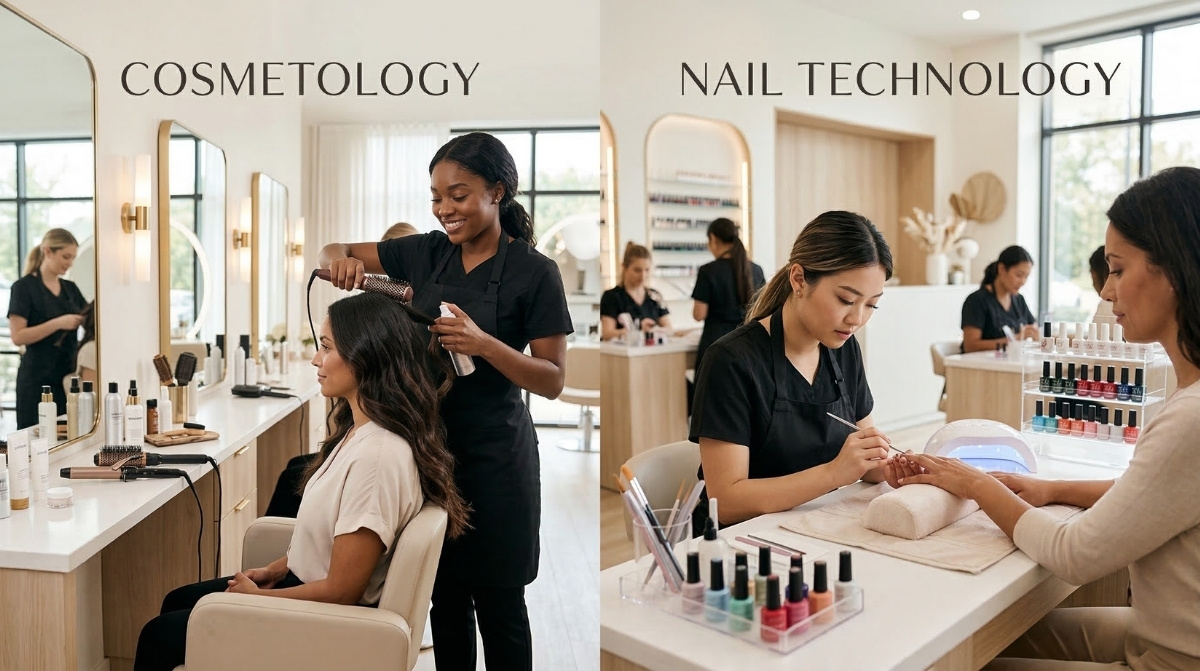
If you want to be able to do it all-hair, skin, and nails-our Cosmetology program is the best fit. In Arkansas, this gives you that broad scope we talked about earlier, allowing you to work as a nail tech or perform basic aesthetics under one umbrella. Our curriculum covers everything from advanced hair design and chemical treatments to manicuring and basic skin care.

Go deeper with Aesthetics and Manicuring

Maybe you already know exactly what you want to do. If you have no interest in hair and want to dive straight into skin or nails, we have dedicated programs for that:

  • Aesthetics: Focuses purely on skin care, facials, waxing, and makeup.
  • Manicuring: Dives deep into nail care, acrylics, and the latest trends in nail design.
  • Instructor Training: For those who have experience and want to transition into teaching the next generation of beauty pros.

Come see us in Northwest Arkansas

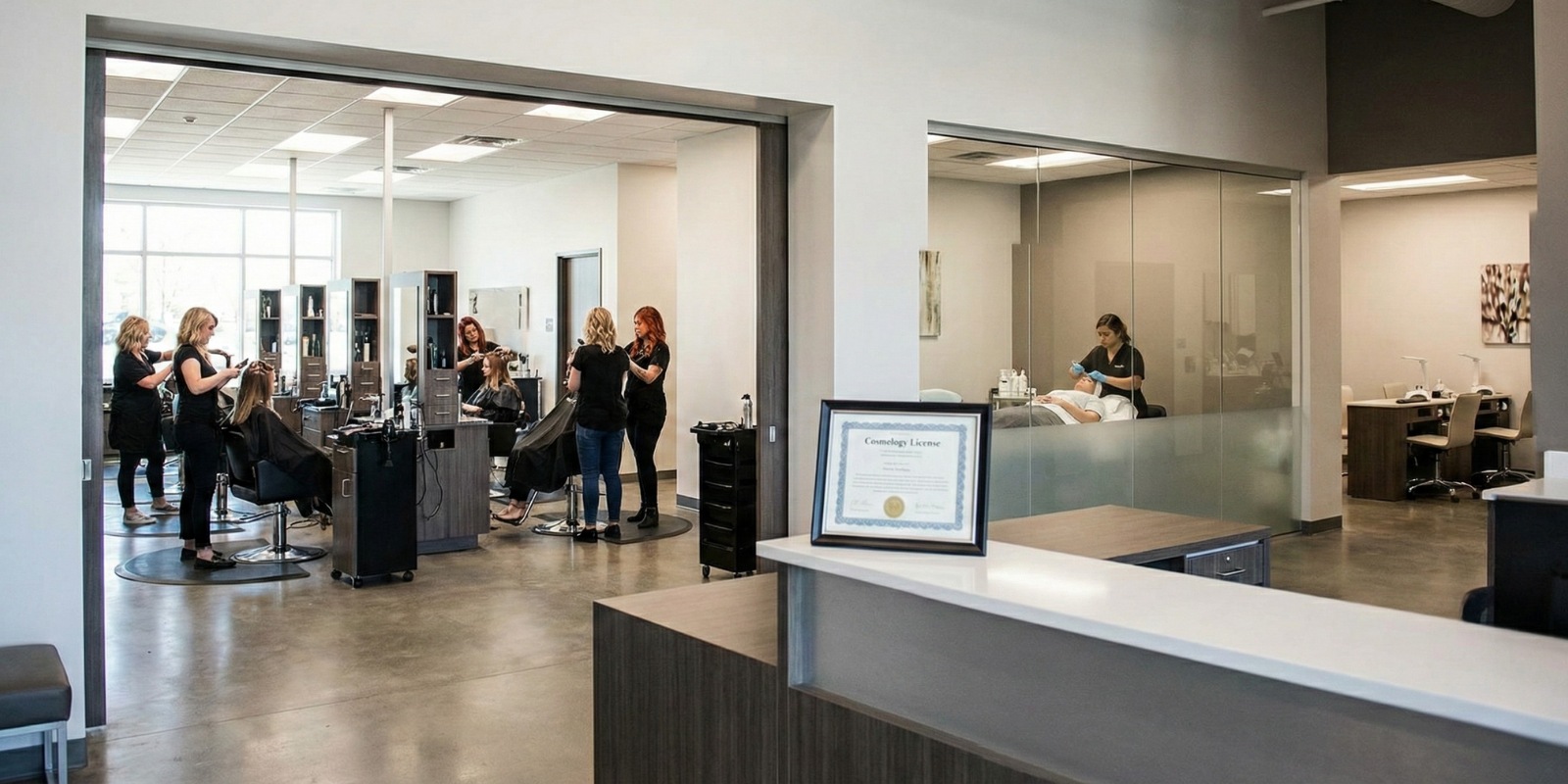
We have five convenient locations across the region: Fayetteville, Fort Smith, Rogers, Siloam Springs, and Springdale. I always tell people that the best way to feel out a school is to see it in person. You can actually book a no-obligation 30-minute tour of any of our campuses. Our admissions representatives usually get back to you within 24 hours to confirm your time. It is a great chance to see the salon floor, meet the instructors, and ask the tough questions about licensing and your future career.

What Careers Can You Have With a Cosmetology License? (Offline & Remote Options)

Most people imagine a cosmetology license leads to exactly one thing: standing behind a salon chair for forty hours a week. While that’s a fantastic career, it’s really just the tip of the iceberg. I’ve spent enough time in the beauty niche to know that your license is actually a versatile “all-access pass” to various industries – from high-end fashion sets and corporate offices to legitimate work-from-home roles.

If you are currently looking into careers with a cosmetology license, I want to help you see the full picture. Whether you are looking for stability, creative freedom, or a way to work remotely, there are more paths available than you might realize.

First Step: Understand Your Playing Field

Before we dive into the specific roles, I have to mention something critical. Your license allows you to do a lot, but the exact “scope of practice” depends on where you live. For example, what a professional can do in Arkansas might differ slightly from what’s allowed in Texas.

To see what I mean, you can look at the Texas official scope guides which detail exactly what each license category covers. It’s also important to know that “working from home” often has strict regulations. If you want to set up a home studio, states like California have very specific home salon guidance to ensure everything is legal and sanitary.

My advice: always check with your local state board first. It prevents a lot of headaches later on.

Offline Career Paths: Making an Impact In-Person

The Salon and Studio Evolution

Traditional salon work is still the backbone of the industry, but it has evolved. You aren’t just “doing hair”; you are likely building a brand as a specialist. Some of the most common cosmetology career opportunities in this lane include:

  • Precision cutting and modern styling
  • Advanced color and balayage services
  • Extensions and texture treatments
  • Event and bridal styling

If you’re looking for a reality check on the numbers, the Bureau of Labor Statistics notes that the median pay for stylists was around $16.95 per hour (May 2024), with roughly 84,200 job openings expected every year. Keep in mind that specializing often leads to higher paying jobs with a cosmetology license because you become the “go-to” person for a specific look.

Skin, Nails, and Specialty Detail

If you prefer detail-oriented work, you might find that the best cosmetology careers for you involve aesthetics or manicuring. BLS data shows median pay for skincare specialists at $19.98/hour and manicurists at $16.66/hour. These roles are great because they often result in very loyal, repeat clients.

Entertainment and Creative Industries

For those who love a fast-paced environment, professions in cosmetology often extend to:

  • Editorial and fashion photography shoots
  • Film and television production
  • Theatre and live performances

The industry is very professional about these roles. For example, IATSE Local 706 requires a current license for hair stylists working in certain broadcast environments. This is a competitive lane, but it’s where you find some of the most creative jobs in the cosmetology field.

Meaningful Niche Careers

I also want to highlight some of the “hidden” cosmetology occupations that provide incredible value:

  • Wig Specialization: Helping clients with medical hair loss. The American Cancer Society and the National Alopecia Areata Foundation provide resources on how these services (often called “cranial prosthetics”) can be life-changing.
  • Senior Living Services: Working within retirement communities. Companies like Resident Salon Services focus on this model, offering steady hours and a built-in client base.
  • Mortuary Cosmetology: Preparing hair and makeup for funeral viewings. It’s a specialized, respectful field that requires a unique touch.

Corporate And Brand-Side Roles

If you want a job with benefits and a clear corporate ladder, the cosmetology industry has those too.

Education and Training

Many licensed pros move into teaching. This can mean working as a school instructor or a “platform artist” for a major brand, traveling to trade shows to demonstrate new techniques. If you enjoy explaining the “why” behind a process, this is a great fit.

Sales and Business Development

You don’t have to be “pushy” to succeed in sales. Brand reps and account managers help salons choose the right products and grow their businesses. Since you actually understand how the products work, you are a much more reliable resource than someone without a license.

Can You Work From Home With a Cosmetology License?

One of the most common questions I get is whether a licensed cosmetologist can work from home. The answer is yes, but it usually looks different than you might think. It’s less about doing hair in your living room and more about using your knowledge in the digital space.

Online Consultation and Support

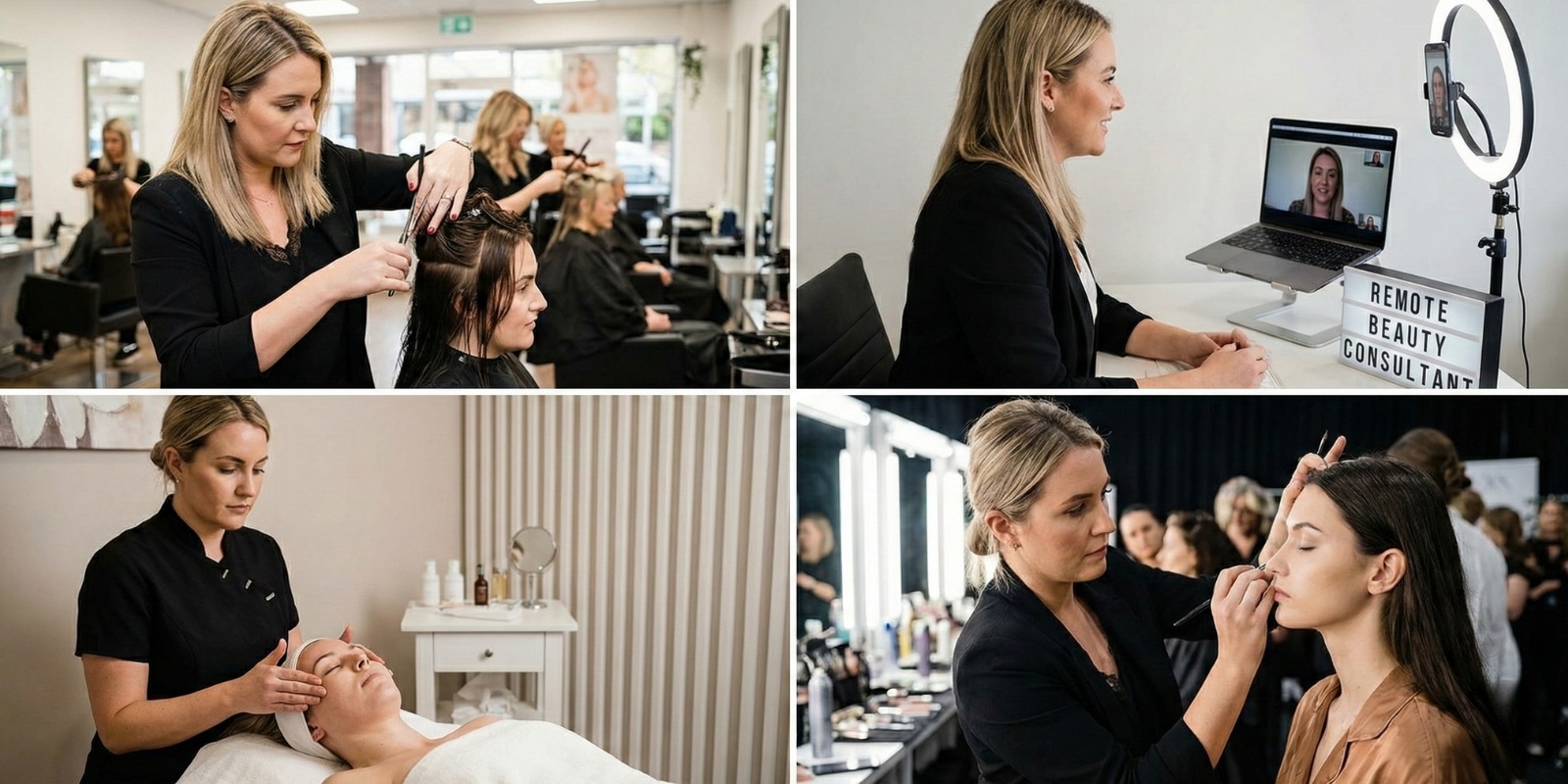
This is one of the most legitimate remote jobs with a cosmetology license. Companies like eSalon have previously hired licensed pros for remote colorist roles, where you help customers choose and troubleshoot their at-home hair color via digital consultations.

Remote Brand Support

Major beauty brands need experts to handle customer service. When a customer has a technical question about a product, they want to talk to someone who knows the science. Your license gives you the credibility to provide that support from a home office.

Content Creation and Digital Education

I have seen many stylists build entire careers by creating tutorials, digital guides, or training resources for other pros. You aren’t just an “influencer” – you are a digital educator. Your license is what proves to your audience that you know what you’re talking about.

Getting Started at Career Academy of Hair Design (Beauty NWA)

If you’re looking at these options and thinking, “I want in,” the first step is finding a school that prepares you for all of these different lanes.

At Career Academy of Hair Design (commonly known as Beauty NWA), our approach is all about making you “Salon Ready.” We don’t just teach you how to pass a test; we focus on the actual skills you need to land cosmetology jobs with benefits or start your own business.

A Comprehensive Foundation

In Arkansas, you need 1,500 hours for a cosmetology license. Our program covers everything from haircutting and coloring to lash and brow services, facials, and even acrylic nail sets. I really like that we are a CHI Partner School, meaning our students get to train with high-quality professional products from day one.

Beyond Technical Skills

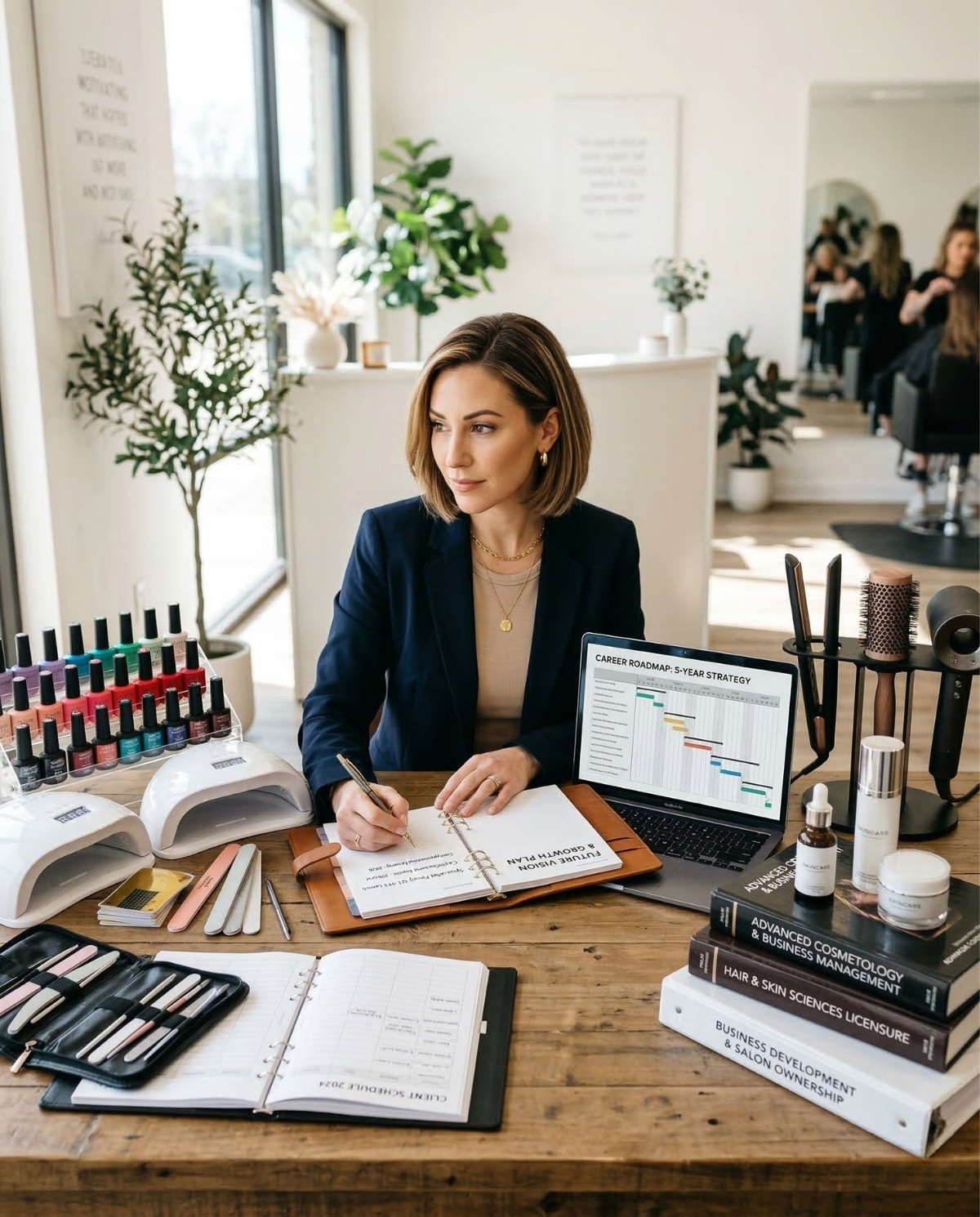
What sets a pro apart in the real world isn’t just how well they cut hair – it’s how well they handle the business side. Our curriculum includes:

  • Client retention strategies
  • Resume writing and job seeking skills
  • Salon business management

Whether you want to work on a film set, in a corporate office, or behind a chair in Rogers or Fayetteville, these business skills are what help you find the highest paying careers in cosmetology.

Support for Your Next Move

I know the transition from student to professional can be intimidating. We offer employment assistance and we help with the state board exam application process to make that jump easier. We have campuses across Northwest Arkansas and the River Valley – including Rogers, Fayetteville, Fort Smith, Siloam Springs, and Springdale – so you can likely find a spot close to home.

The Easiest Way To See For Yourself

If you are curious about what a day in the life looks like, I highly recommend doing the simplest next step: book a tour with us. We offer a 30-minute, no-obligation campus tour where you can see the clinic floor and ask our instructors about the specific cosmetology career opportunities you’re interested in.