


Cosmetology Hours by State: Exams, Renewal Rules, and License Transfer Basics
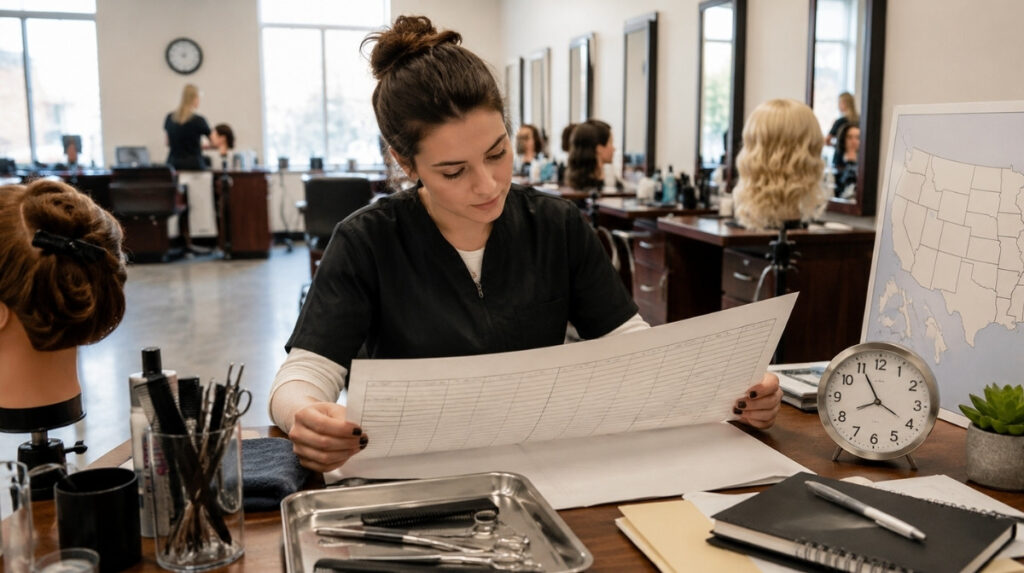
Stepping into the beauty field as a licensed professional can open the door to creative work, flexible career paths, and the chance to build something of your own. Helping clients feel confident is rewarding, but getting there means understanding training rules, state requirements, and official exams that can feel confusing at first.
You may be wondering how school hours will fit around your current responsibilities, or whether the state board exam will feel overwhelming. If you already work in the industry, moving to another state or accidentally letting your license expire can also raise serious concerns about your income and career stability.
The process feels much less intimidating when you know what schools and state boards actually expect from you. Reviewing what the entry requirements look like can help you understand the basic enrollment path and see how achievable this career can be when you are ready to train seriously.
Key Takeaways
- State Rules Are Not Universal: Cosmetology requirements are set by individual state boards, so age rules, school hours, exams, application fees, and renewal timelines can change significantly depending on where you plan to work.
- Lower-Hour Models Are Growing: Several large states now use a 1,000-hour cosmetology requirement, and recent research suggests reducing hours can lower tuition and improve completion without showing a detectable decline in cosmetologist earnings.
- License Mobility Is Improving: The Multi-State Cosmetology Licensure Compact is meant to reduce traditional reciprocity friction once fully implemented in participating states, but it should not be treated as automatic nationwide license transfer.
- Renewal Protects More Than Paperwork: Renewal and continuing education rules help boards reinforce sanitation, consumer protection, legal compliance, and updated health-and-safety practices, including safer chemical handling.
Why Cosmetology Rules Change From State to State
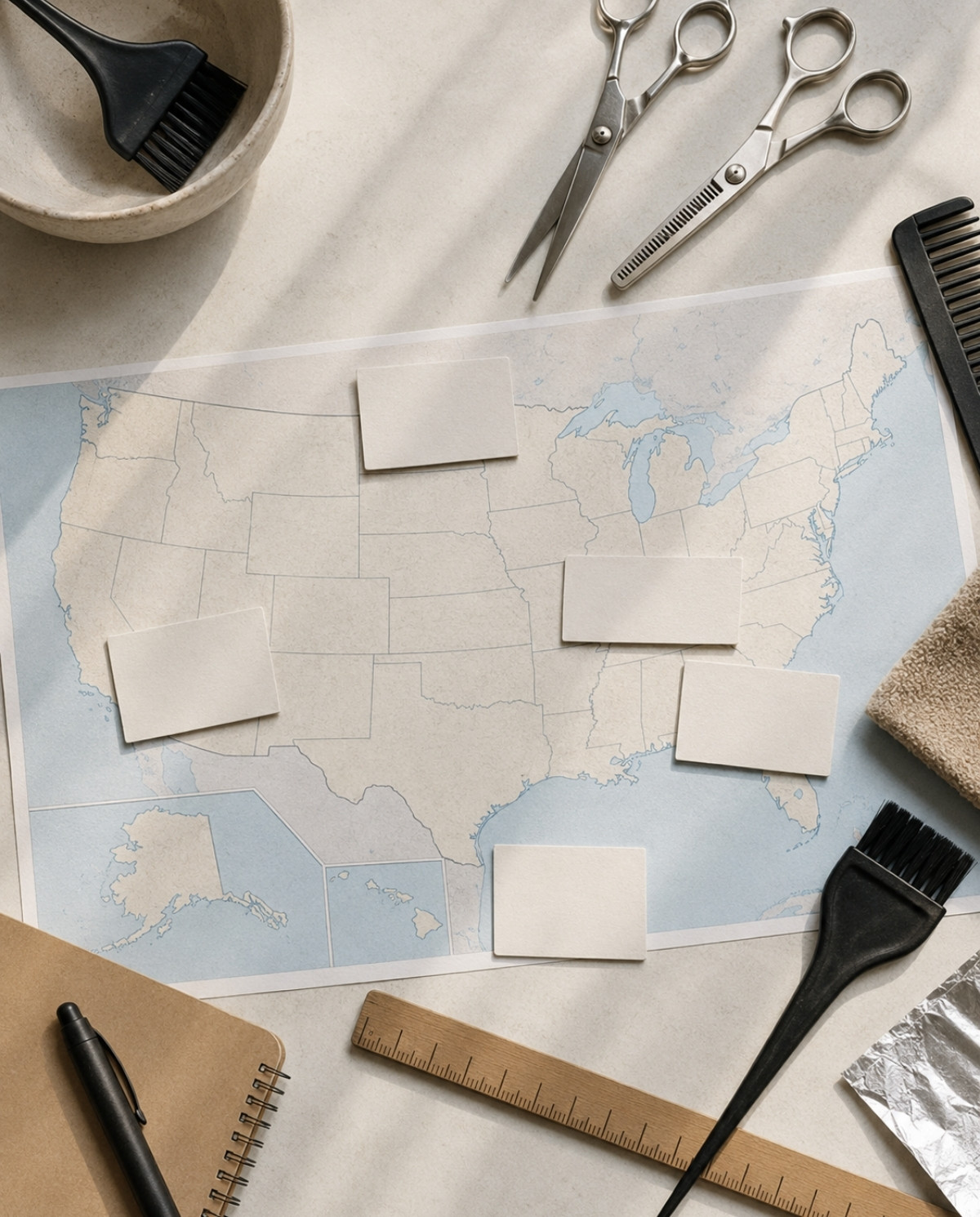
Local law determines who can legally provide professional beauty services to the public. Since the United States does not use one single national cosmetology license, requirements shift depending on where you want to build your career. Each state board creates its own rules to supervise the beauty industry in that area. These rules define your scope of practice, which means the services you are legally allowed to perform for paying clients.
These regulations are designed to protect public health and consumer safety. They focus on areas like skin anatomy, chemical safety, sanitation, disinfection, and infection control. They are not meant to judge your creativity or personal style. Learning these rules early helps you protect your license, your clients, and your professional reputation from the beginning.
Checking the Basic Licensing Rules
When you research cosmetology license requirements by state, you will see that every board sets its own age standards, education prerequisites, training minimums, exam structure, fees, and background disclosure rules. Many boards require applicants to be at least 16 or 17 years old, but the education rule is not identical everywhere. For example, the Texas Department of Licensing and Regulation requires a 1,000-hour cosmetology operator course and a minimum application age of 17, while the New York Department of State requires a 1,000-hour approved course plus written and practical examinations.
Because of these differences, a generic national checklist is never enough. Your safest plan is to verify the exact rules published by the board in the state where you want to work. Choosing a school that understands these benchmarks can make the process smoother because you will need to organize age verification, school records, exam registration, application fees, and any required background disclosures before you can move forward.
Since a full cosmetology credential can cover a broad range of salon services, many students also want to know what they can legally do once they graduate. If you are trying to understand your future work options, this guide on understanding your cosmetology license scope can help explain how nails, lashes, skin, and related beauty services may fit within standard licensing boundaries.
Understanding Required Training Hours
One of the first major milestones in your education is completing the number of school hours required by your state board. The total amount of training time depends completely on local rules. Anyone comparing cosmetology school hours by state will quickly notice that requirements can vary a lot from one border to the next.
For example, New York requires a 1,000-hour approved course, California lists 1,000 school hours for cosmetologists through the California Board of Barbering and Cosmetology, and Texas also uses a 1,000-hour cosmetology operator course. Other states, including Ohio, Arkansas, and Georgia, commonly use a 1,500-hour pathway for standard cosmetology licensure, although license titles and exam systems can vary.
Before enrolling, you should confirm the hours needed for a cosmetology license by state where you plan to apply. If you are asking how many hours do you need for cosmetology, the real answer depends on your target board. Tracking the requirement carefully helps you avoid spending time and tuition on a program that does not satisfy your local licensing rules.
A 2025 EdWorkingPaper from the Annenberg Institute at Brown University found that reducing required cosmetology hours can increase completion, lower tuition, and expand enrollment among some groups, without showing a detectable decline in cosmetologist earnings. That does not guarantee every individual salary will stay the same, but it does support the argument that very high hour requirements can raise the cost of entry without clearly improving earnings outcomes. In states that adopt lower-hour models, the path into the beauty workforce can become faster and more affordable.
Preparing for the State Board Exam With Less Stress
After your required training hours are completed and certified, the next major step is passing the official licensing exam. Feeling nervous during this stage is normal, especially if you are more comfortable with hands-on salon work than written testing.
Building a Focused Study Plan
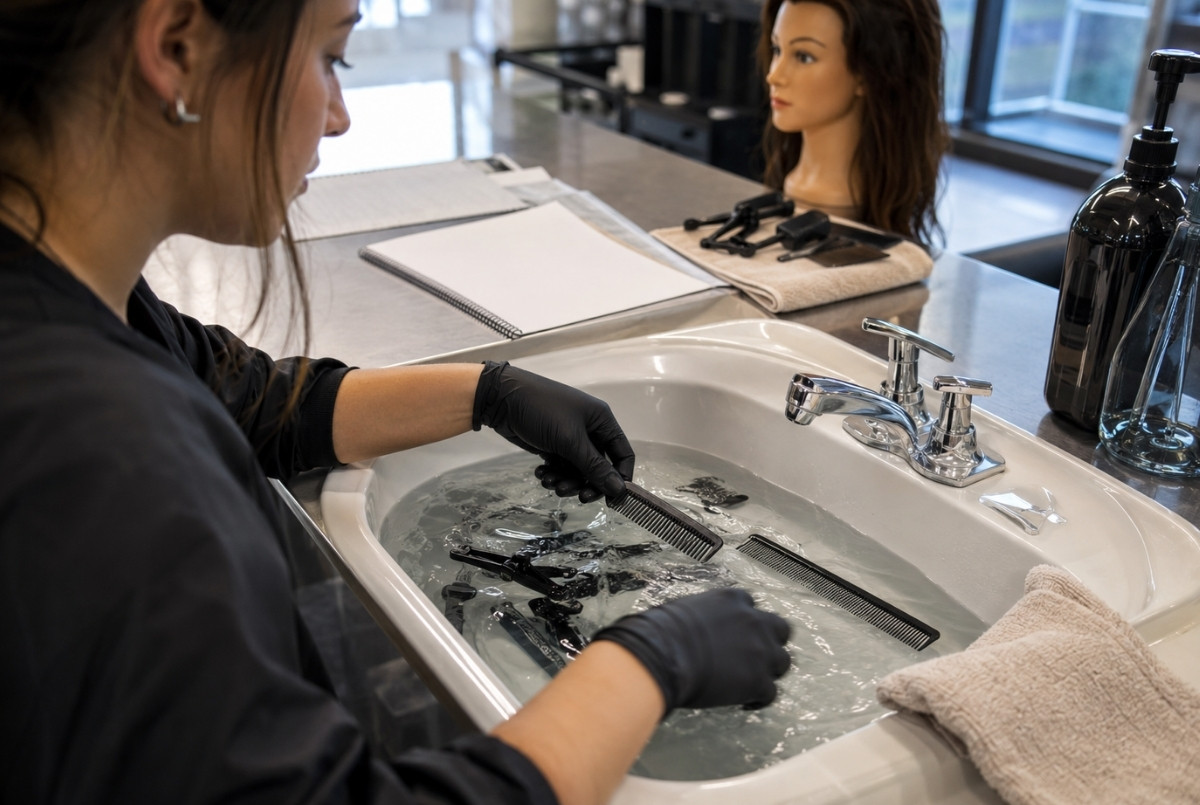
To give yourself the strongest chance of passing, you need to move beyond the services you practiced in school and commit time to a complete cosmetology state board exam review. The written or theory section usually focuses on chemical safety, sanitation, infection control, hair care, skin care, nail care, and state-specific law.
Using a cosmetology practice test free option online can help you understand the format before test day. A reliable cosmetology written exam study guide can also help you review infection control, tool disinfection, chemical texturizing, and safe product handling in a more organized way. Strong preparation helps connect your creative skill with the safety knowledge boards expect from licensed professionals.
What to Know Before Test Day
- Question Count: You should look up how many questions are on the cosmetology state board exam before your appointment so you can pace yourself. Many states use national testing material, but the exact structure depends on your board and testing vendor. The NIC National Cosmetology Theory Examination, for example, includes 110 total items, with 100 scored questions that count toward the final score.
- Practical Exam Differences: Do not assume every state still requires the same hands-on practical test. California states that effective January 1, 2022, the practical exam is no longer required for all license types, and candidates only need to pass the written exam. Other states may still require practical, written practical, theory, or state-law testing.
- Testing Fees: Include exam costs in your career budget. The amount you pay can depend on whether your state requires a written exam, practical exam, state-law exam, or a combined testing package.
- Scheduling: Your school can help with graduation records and hour certification, but you are still responsible for understanding how to apply for the cosmetology state board exam and how to schedule a cosmetology exam through approved vendors such as PSI, Pearson VUE, Prov, or another official testing provider.
- Difficulty Level: Students often ask how hard is the cosmetology state board. The exam is designed to check baseline safety and competency, not artistic perfection. If you understand sanitation, infection control, chemical handling, and the services allowed under your license, you can build a practical plan for how to pass the state board of cosmetology on your first attempt.
As you calculate testing fees and total school expenses, remember that you may not have to cover everything out of pocket. To explore possible funding routes, review this beauty school funding guide before making your final enrollment plan.
Keeping Your License Active After Graduation
Earning your beauty license is a major achievement, but keeping it active requires regular attention. If you step away from the salon for a while or simply lose track of your renewal date, your license may lapse. That can feel stressful, but many expired licenses can be corrected if you act quickly and follow the correct board process.
How Renewal Timelines Work
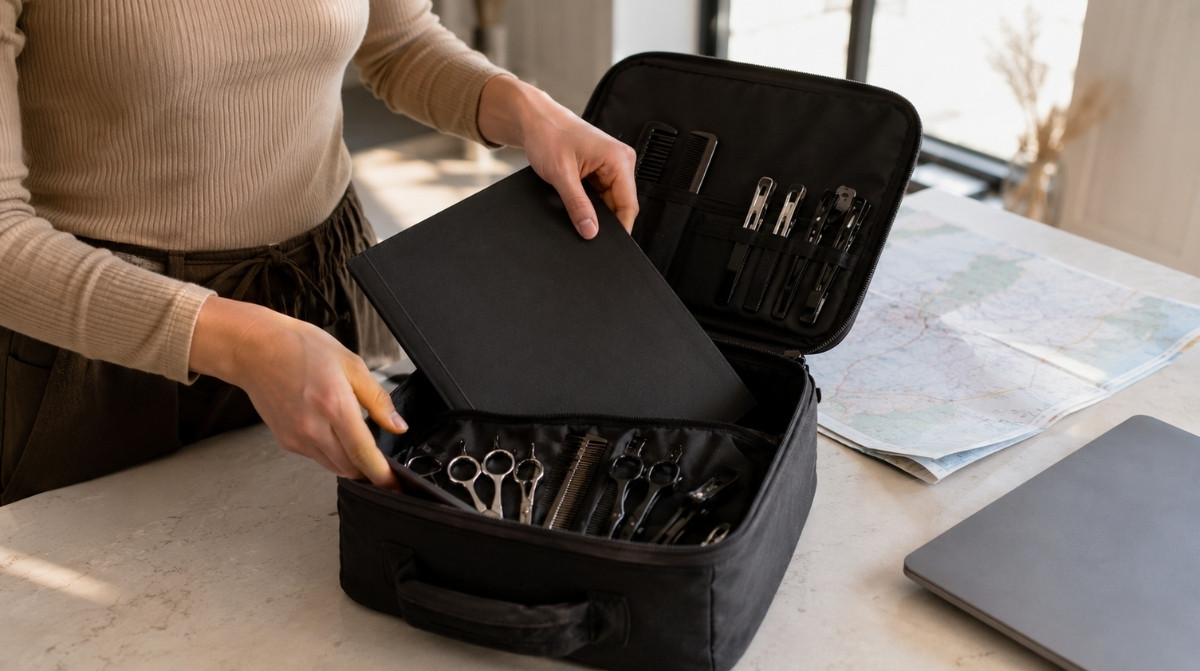
Every state creates its own renewal cycle. Some deadlines are tied to a fixed calendar date, your birth month, the original issue date, or another board-specific schedule. Some states renew annually, while others use two-year or longer cycles. If you work on the West Coast, you might wonder, "can I renew my ca cosmetology license online?" In many states, digital portals now make cosmetology renewal license paperwork faster than mailing forms.
If you miss your deadline, you need to find out how long after a cosmetology license expires you can wait before the board adds penalties, changes your status, or closes your file. Waiting too long can increase costs and interrupt your legal ability to work with clients. It is best to learn how to check if my cosmetology license is expired through the official state registry so you can confirm your status, calculate how much does it cost to renew a cosmetology license, and avoid unnecessary downtime. Completing cosmetology license renewal after expiration online is often the fastest option when your state allows it.
Recovering a Long-Expired Credential
If a license is ignored for several years, a board may classify it as inactive, cancelled, expired beyond renewal, or null and void. Recovering that credential can become much harder because each state has its own reinstatement rules.
For example, if you are researching how to reinstate a null and void cosmetology license in Florida, the Florida Department of Business and Professional Regulation explains that a license becomes null and void when a licensee fails to renew for two consecutive licensure cycles. A null and void license generally cannot be reinstated unless the applicant shows illness or economic hardship, and each application is reviewed individually. That means you should not assume a simple late fee will fix a long-expired license.
Many states also require approved continuing education courses for cosmetology before renewal. For example, the Georgia State Board of Cosmetology and Barbers requires five hours of board-approved continuing education for renewal, including three hours in health and safety. These rules help reinforce sanitation, infection control, legal updates, and safer daily practice instead of existing for one single reason alone.
Long-term workplace health research also shows why safety education matters in salons. A study published in Occupational and Environmental Medicine found associations between hairdresser work and certain hormone-related outcomes, including higher odds of prebaseline hysterectomy and higher rates of incident endometriosis, while not finding notable associations with several cancers studied. This does not mean every stylist will experience the same health outcome, but it does support the importance of ventilation, product awareness, protective practices, and careful chemical handling throughout a beauty career.
Moving Your Cosmetology Career Across State Lines
Life changes can take your career to a new city or a new state. Whether you are relocating for family, a partner, or a better professional opportunity, moving a beauty career across state lines can feel complicated. Many stylists worry that their education, exams, and work history will not transfer smoothly, which can put client relationships and income at risk.
Reciprocity and Endorsement Basics
When you begin planning a move, you need to research how to transfer a cosmetology license to another state. This process usually happens through reciprocity or endorsement, but those terms do not always mean the same thing. Reciprocity typically means one board recognizes another state's license or training standards. Endorsement usually means the new board reviews your active license, school hours, exam history, and sometimes work experience before deciding whether you qualify.
To apply, you generally need to submit a cosmetology license by reciprocity application or endorsement packet, pay a processing fee, and request official license verification from your original state board. If your original state required fewer training hours than your destination state, you may need additional testing, extra school hours, a local law exam, or documented work experience before approval.
Arkansas is a useful example of why these details matter. The Arkansas Department of Health states that a person transferring student hours from another state without holding a current out-of-state license must pass written and practical examinations to qualify for an Arkansas license. Florida uses a different system. According to the Florida DBPR, applicants seeking a Florida cosmetology license by endorsement do not have to take the Florida cosmetology examination, but they must hold a valid out-of-state cosmetology license and complete the required HIV/AIDS course.
Online Transfers and Compact Mobility
You might ask, do cosmetology licenses transfer to other states without major delays? The answer depends completely on the cosmetology license transfer from state to state requirements of your destination board.
Many boards now allow parts of the transfer process to be handled online, which can reduce paper delays. Before signing a new booth rental agreement or salon lease, check the exact transfer rules for your destination state so you do not face forced downtime while waiting for approval. Understanding how your credential travels can also help you explore the wider range of careers you can pursue with a cosmetology license, whether you want to become a platform artist, editorial stylist, salon manager, or business owner.
Legal and organizational analysis from the University of Missouri School of Law Scholarship Repository follows the development of the Multi-State Cosmetology Licensure Compact. The official Cosmetology Compact explains that the system is designed to create a multistate licensing pathway for eligible cosmetologists who live in compact member states and hold an active, unencumbered license. Once fully implemented, the compact should allow qualified professionals to practice across participating state lines without applying for separate traditional reciprocity packages in each compact state.
Still, this should not be described as automatic nationwide portability. The compact applies only to participating states, and eligibility depends on your home-state license, state board rules, and implementation timeline. It is a major step toward mobility, but you should still confirm whether your state has enacted the compact and whether multistate licenses are actively being issued before relying on it for relocation plans.
Start Your Beauty Training With a Clear Plan
Understanding training hours, exam steps, renewal rules, and transfer requirements becomes easier when your school prepares you for both the classroom and the real salon environment. At Career Academy of Hair Design, the school behind BeautyNWA.com, students can train in a setting focused on practical skill-building, safety knowledge, and professional readiness.
The school’s approach centers on developing capable graduates who understand hands-on beauty techniques as well as health, sanitation, and state board expectations. By combining classroom theory, laboratory practical training, and State Board preparation directly into the learning experience, students can become more comfortable with the skills and knowledge required for licensure.
Career Academy of Hair Design offers cosmetology training across its Northwest Arkansas and River Valley campuses. Its catalog lists the Cosmetology course as a 1,500-hour program offered on all campuses, with training designed to prepare students for licensing through the Arkansas Department of Health/Cosmetology Section. The school also notes that graduates may find continuing education opportunities through trade shows, vendors, local events, state events, and professional cosmetology organizations.
Before applying, review the school’s admission requirements carefully. The enrollment page states that applicants must be at least 17 years old, be a U.S. citizen or permanent resident, provide approved documentation verifying age and status, and have a high school diploma, GED, or postsecondary diploma or degree. If you are ready to explore the process, you can visit the Enrollment section to learn how to begin.
Starting a beauty career is not just about completing clock hours. It is about choosing a training environment that helps you understand the rules, build reliable technical habits, and prepare for the professional path you want. Fill out the contact form below to schedule a campus tour, ask your questions, and start mapping out your next step in the beauty industry.
Frequently Asked Questions
Can I do paid cosmetology services from home without a license?
No. State regulations generally require a valid beauty license for professional cosmetology services, regardless of whether the service happens in a salon, home studio, mobile setup, or event location. Providing hair, nail, or skin services for compensation without the proper credential can result in fines, disciplinary complications, misdemeanor exposure in some states, and possible difficulty with future licensing applications.
Why do some states combine barbering and cosmetology regulation?
Historically, barbering and cosmetology were often regulated through separate structures with different testing rules, school approvals, and license categories. However, some states have moved toward combined barbering-and-cosmetology administration. Texas, for example, combined its Barbering and Cosmetology programs under TDLR through HB 1560, and the Texas Department of Licensing and Regulation now manages Barbering and Cosmetology under a unified program. This can standardize health, safety, sanitation, establishment, and administrative rules, but it does not mean every state has merged its boards or erased the difference between barber and cosmetology licenses.
Do higher school-hour requirements always mean happier beauty clients?
Not necessarily. A landmark econometric review hosted by San Jose State University found that more stringent licensing rules did not show a general positive association with higher consumer ratings for the beauty-service occupations studied. The study used Yelp ratings as a customer-satisfaction measure, so it should not be treated as a perfect measure of safety or technical quality. Still, it supports the idea that extremely high licensing burdens do not automatically translate into better customer-rated service.
To better understand how interstate mobility is changing for beauty professionals, you can watch this overview of the Cosmetology Licensure Compact and State Board Rules. It explains how the compact may simplify professional movement across participating states while still differing from automatic nationwide license transfer.
6 thoughts on “Cosmetology Hours by State: Exams, Renewal Rules, and License Transfer Basics”