


Mastering Nail Technology: Nail Salon Hygiene and Professional Aftercare Advice
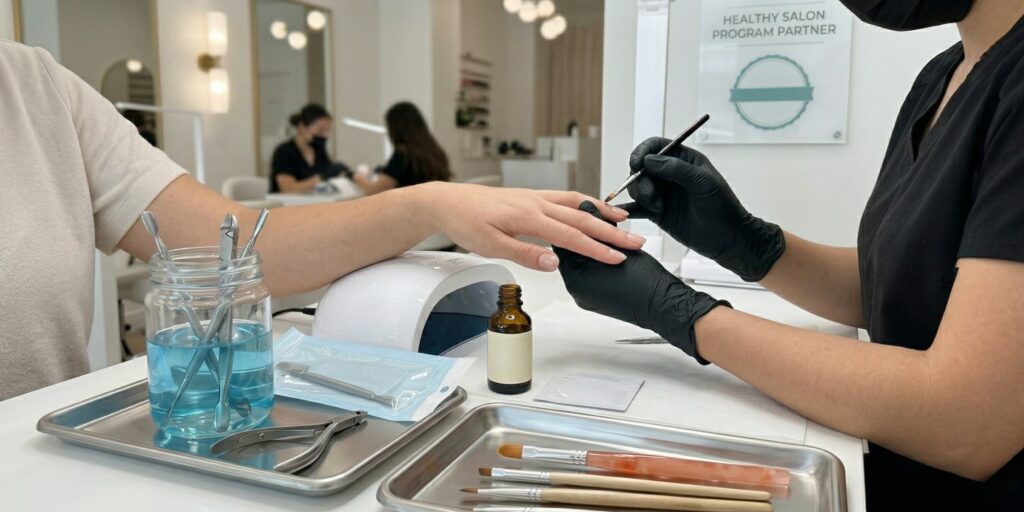
The nail industry has reached a point where client expectations are shifting toward health-conscious results. Beautiful art is still a big draw, but the hidden standards of safety are what really build a loyal following. Modern luxury in 2026 is defined by how well a technician handles the biological side of the job while creating a great look. Focusing on these details makes you a true expert rather than just a service provider.
I believe that moving from a beginner to a professional requires a mindset shift from simply decorating nails to actively protecting them. If you are just starting out, checking out this 2026 guide to your new career is a smart way to get a handle on the industry basics. Giving your clients professional aftercare advice for nail technology is one of the most effective ways to build a name for yourself. This level of care turns you into a trusted consultant who understands how the nail plate actually works.
Essential Points for the Modern Professional
- Knowledge of Microbiology: Staying safe starts with the ability to identify the four types of organisms (bacteria, fungi, viruses, and parasites) that can impact your workspace.
- Understanding Tech Limits: Salon UV lamps and standard lasers are helpful tools, but they are not medical cures for infections.
- Advanced Credentials: Earning a medical nail technician certificate helps you stand out and allows you to work safely with higher-risk clients.
- Effective Aftercare: The market is moving toward products like functional patches and pens that target the nail matrix for better healing.
The Science of a Clean Workspace

The first thing I learned in this industry is that the most important work happens before the polish ever touches the nail. We often talk about the "bio-burden," which refers to the amount of bacteria and germs living on a surface or tool. To manage this effectively, you must be able to list the four types of organisms that are pertinent to nail technology: bacteria, fungi, viruses, and parasites.
Learning these categories helps you understand how germs behave in the warm, damp environment of a salon. Fungi are especially tricky because they love the dark spaces created when a nail enhancement begins to lift away from the natural nail. Proper infection control requires mechanical debridement, which is the physical act of cleaning away the sticky layer of bacteria before you even start using chemicals. According to the 2026 Sunset Review Report by the California Board of Barbering and Cosmetology, skipping these steps is a major cause of infections like ringworm, even in high-end shops. Clinical-grade habits will always be more important than expensive decor.
What You Need to Know About High-Tech Treatments
Clients today are very curious about the latest medical gadgets. I often get questions about whether new technology can actually solve health issues. A very common question is: does UV technology kill nail fungus in a salon setting?

The Reality of UV Lamps
The short answer is that salon lamps are built to dry polish, not to cure infections. While medical-grade UV technology that fights nail fungus does exist, it uses much higher intensities and different wavelengths than our curing lights. Using gel polish over an active infection can actually make things worse by trapping moisture and creating a space where fungus thrives. As mentioned in the Infection Control Guidelines from CT.gov, UV boxes are only meant for storage and are not enough for full sterilization.
Laser Technology and Expectations
I also hear people asking if laser technology works on nail fungus consistently. Based on the Medical Policy SURG.00138 from Healthy Blue Louisiana, lasers are mostly used to assist other treatments. They use heat to slow down the fungus, but they rarely provide a total cure on their own. Knowing the limits of laser technology for nail fungus helps you guide your clients to the right medical help when they need it.
Taking Care of Nails Between Appointments
The time between salon visits is when the real maintenance happens. If a client doesn't protect the natural fatty acids in their skin and nails, your hard work in the salon won't last as long. Regular lotions often struggle to get through the tough surface of the nail, which is why I suggest more specialized solutions.
Modern Solutions for Better Healing
For clients who need deep repair, I recommend using fungal nail patches with hydrogel technology. These patches hydrate the area and allow the keratin to soften so that protective ingredients can reach the nail bed more effectively. I also suggest a daily routine with a nail care pen featuring nail matrix technology. These pens deliver nutrients directly to the area where the nail actually grows, ensuring a strong foundation for future sets.
Choosing the Right Tools for Home
Even the brushes your clients use at home can make a difference. I suggest using a Salmon hygiene technology nail brush instead of porous wooden ones. These specialized tools have resin-set bristles that help resist bacterial buildup, so the client stays clean while scrubbing under the edges of their nails. Data from Research Nester (2026) shows that the market for these functional products is growing fast as people look for science-backed wellness options.
Advancing Your Career as a Specialist

Getting your basic license is the first step, but specialized training is what really sets you apart. If you want to work with higher-paying clients or those with health needs like diabetes, earning a medical nail technician certificate is a fantastic goal. This lets you move into more advanced care and can even qualify your business for a Healthy Nail Salon Recognition Program. Joining a Healthy Nail Salon Recognition Program shows your community that you prioritize safety and clean air.
The FDA’s 2026 General Wellness Framework has made it clear that professionals must be careful with the claims they make. Having official certifications is the best way to prove your high standards. To learn more about the specific skills and tools you need to succeed, I suggest reading this guide to professional procedures and tools.
Start Your Professional Journey with Career Academy of Hair Design
I believe that choosing the right place to train is the biggest decision you will make for your future. At Career Academy of Hair Design, we focus on helping you become a leader in the industry by mastering both the art and the science of the job. Our approach ensures that you graduate with a deep understanding of the hygiene and aftercare techniques that the top salons are looking for in 2026.
The future of this field belongs to specialists. Whether you want to open your own boutique or work with high-tech brands, we provide the foundation you need to stand out. You can find out more about how to get started in our Enrollment section. If you have questions or want to see the campus for yourself, please fill out the contact form at the end of this article. I look forward to seeing where your career takes you!
FAQ: Common Tech and Safety Questions
Can I use a standard LED salon lamp to treat a fungal issue?
No, I wouldn't recommend that. While there is UV technology for nail fungus used in clinics, salon lamps are only designed to harden polish. They don't have the strength needed to kill fungal spores.
What is the main benefit of nail matrix technology?
Standard oils often stay on the surface of the skin. A pen designed with this technology reaches the growth center of the nail, supporting the formation of healthy new cells from the start.
Why should my salon join a Healthy Nail Salon Recognition Program?
Being part of a Healthy Nail Salon Recognition Program is a great trust signal. It shows clients that you follow strict safety protocols and care about their well-being, which is a major advantage in today's market.